

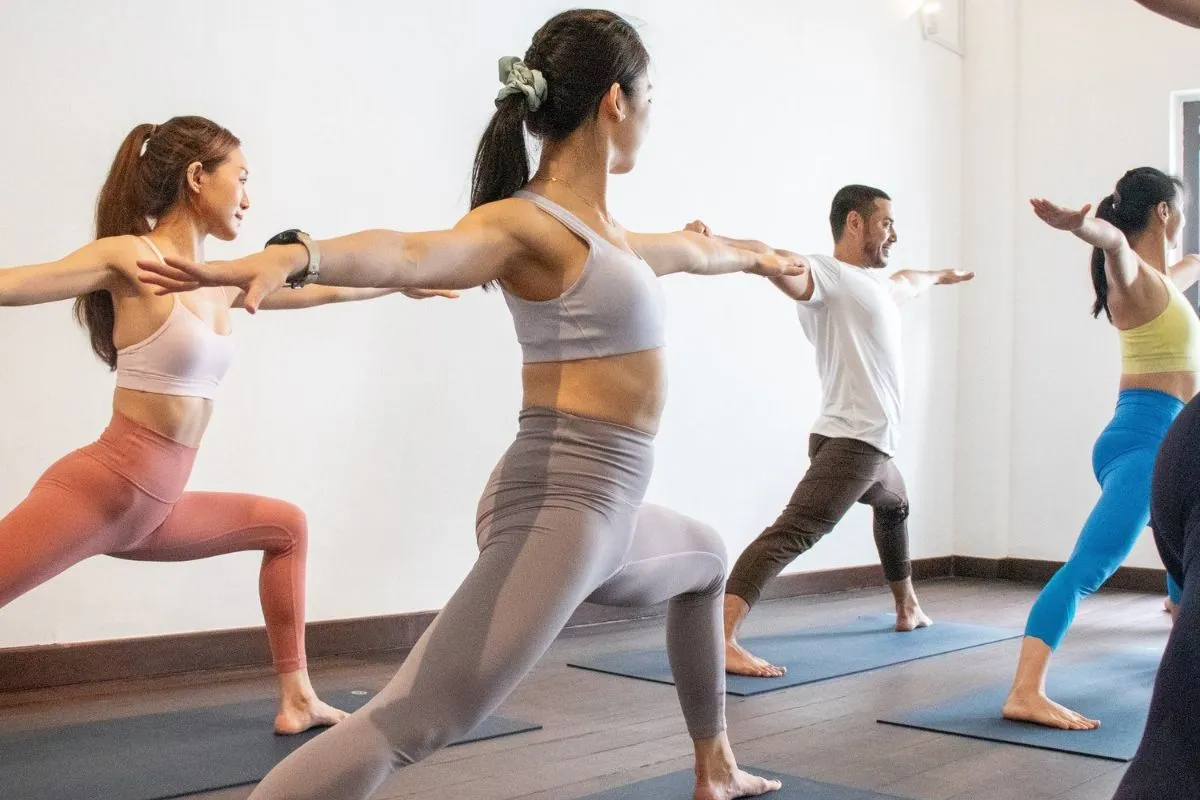
The world of wellness is evolving rapidly, and Singapore sits at the centre of this transformation. Once seen purely as a spiritual or physical practice, yoga has now embraced technology to enhance the experience for modern practitioners. The rise of yoga places in Singapore that integrate artificial intelligence (AI), wearable devices, and data-driven wellness tools is reshaping how people approach balance, mindfulness, and physical health.
The Rise of Smart Yoga in Singapore
Singapore is known for its forward-thinking approach to innovation, and the fitness industry is no exception. As people become more health-conscious, yoga studios are exploring how technology can make sessions more personalised and efficient.
From posture-tracking wearables to AI-powered feedback systems, smart yoga brings precision to mindfulness. These innovations help practitioners align correctly, prevent injuries, and measure progress objectively. For busy professionals who value both technology and wellness, this combination makes yoga more engaging and measurable.
Why Technology and Yoga Work Well Together
At first glance, yoga and technology might seem like opposites — one promotes stillness, while the other thrives on movement and change. However, when combined thoughtfully, they complement each other beautifully.
Here’s why the blend works:
-
Personalisation: Technology adapts yoga routines to suit individual needs and physical abilities.
-
Injury prevention: Sensors detect incorrect posture and suggest real-time corrections.
-
Motivation: Digital progress tracking encourages consistency and commitment.
-
Accessibility: Virtual classes and apps allow practitioners to continue yoga anywhere.
-
Mindful awareness: Data from wearables offers insights into breathing, heart rate, and stress levels.
This harmony between modern science and ancient wisdom creates a holistic wellness experience that resonates strongly with Singapore’s tech-savvy community.
The Role of Wearables in Yoga Practice
Wearables have become central to smart yoga experiences. Devices such as smartwatches, fitness trackers, and posture sensors collect real-time data to guide improvement.
Common wearable features include:
-
Heart rate monitoring: Helps track how the body responds to each pose.
-
Breathing analysis: Encourages practitioners to synchronise breath with movement.
-
Posture correction sensors: Alert users to misalignment or imbalance.
-
Sleep and recovery tracking: Measures rest quality to support holistic wellness.
These tools allow instructors and students to monitor performance beyond the studio. Over time, the data builds a detailed understanding of physical and emotional patterns, leading to better self-awareness.
AI-Powered Yoga Instruction
Artificial intelligence has become a powerful ally in yoga education. Some studios now use AI-enabled motion detection systems that analyse poses and offer real-time feedback. This technology replicates the guidance of an instructor, making home practice more accurate and safe.
AI also helps personalise sessions. For example, it can suggest sequences based on energy levels, flexibility, or specific goals such as stress reduction or muscle recovery. By learning from the user’s data, AI gradually refines routines for better results.
In Singapore’s wellness scene, this innovation is particularly useful for working professionals and travellers who may not always have time for in-person classes.
Virtual and Hybrid Yoga Classes
Virtual yoga has become mainstream in Singapore. Many studios now offer hybrid models — live classes at the studio complemented by online participation for those who prefer to join from home or while travelling.
High-definition cameras and streaming tools create immersive experiences, while chat features allow real-time interaction with instructors. Some even integrate biometric tracking, allowing the teacher to see participants’ posture data for instant feedback.
This flexibility has made yoga more accessible and inclusive, accommodating different schedules and lifestyles.
Studio Innovations in Singapore’s Wellness Landscape
Several modern studios in Singapore have introduced smart features that transform the traditional yoga space into a technology-enhanced sanctuary. These include:
-
Smart lighting systems that adjust brightness and colour to suit class energy levels.
-
Air-purification and oxygen-balancing systems for cleaner breathing.
-
Temperature-controlled floors for better comfort during warm yoga sessions.
-
Digital check-in systems for convenience and reduced crowding.
These upgrades create an environment that supports both relaxation and focus. They also align with Singapore’s sustainability goals by promoting energy-efficient design and minimal waste.
The Role of Data in Self-Improvement
Data-driven yoga helps practitioners track progress objectively. Many apps and studio systems now generate detailed reports on flexibility, balance, and mindfulness levels.
For instance, wearables can record how heart rate stabilises during relaxation poses or how breathing deepens over time. This feedback motivates practitioners to stay consistent and observe tangible growth.
Instructors also benefit from this data. By understanding a student’s performance trends, they can adjust techniques or suggest specific poses to address weaknesses or imbalances.
Balancing Technology with Mindfulness
While technology enhances yoga, balance remains essential. The goal is not to turn yoga into a competition of numbers, but to use technology as a guide rather than a distraction.
Instructors often remind students to stay present and not rely entirely on gadgets. True mindfulness arises from awareness, not just data. By combining conscious breathing, physical alignment, and digital insight, practitioners can achieve both precision and peace.
Studios like Yoga Edition demonstrate how this balance can be achieved — offering modern facilities while preserving the essence of yoga as a mindful, personal journey.
Real-Life Stories from Practitioners
A growing number of Singaporeans are embracing tech-driven yoga. One finance executive shared that using a smartwatch helped her identify stress triggers during work and improve her breathing patterns. Another frequent traveller uses AI-guided yoga apps to maintain consistency across time zones.
These stories reflect how smart yoga isn’t about replacing human connection but enhancing it through awareness and personal insight.
Challenges and Ethical Considerations
As with any innovation, integrating technology into yoga brings challenges. Some people worry about data privacy or becoming too dependent on devices. Others fear that technology might dilute yoga’s spiritual depth.
Responsible studios address this by using data anonymously and focusing on education. They emphasise the importance of human guidance while using technology to complement, not control, the practice.
FAQs
Q1. What is smart yoga, and how is it different from traditional yoga?
Smart yoga integrates technology such as wearables, sensors, and AI tools to provide personalised feedback and tracking, while still following the principles of traditional yoga.
Q2. Do I need gadgets to practise yoga effectively?
Not necessarily. Gadgets enhance self-awareness but are not mandatory. They serve as helpful guides, especially for alignment and progress tracking.
Q3. Are yoga places in Singapore equipped for tech-based sessions?
Yes, many studios now use smart systems, digital registration, and hybrid teaching models to improve convenience and engagement.
Q4. Can AI-guided yoga replace an instructor?
AI provides real-time feedback but cannot replace the empathy and intuition of a human teacher. It’s best used as a supplement, not a substitute.
Q5. How do wearables improve mindfulness?
Wearables help track breathing, posture, and heart rate, encouraging greater awareness of the body’s responses during practice. This enhances mindfulness and focus.
Technology and yoga may come from different worlds, but in Singapore, they coexist in harmony. By blending ancient wisdom with modern innovation, smart yoga creates a new path toward wellness — one where awareness meets intelligence, and balance becomes both measurable and meaningful.