

Introduction
As businesses continue to rely heavily on technology, the number of outdated computers, servers, and electronic devices being discarded each year continues to rise. This increase in electronic waste has become a growing environmental concern for organisations across all industries. Professional disposal of IT equipment services helps businesses manage obsolete technology responsibly while reducing the long-term impact of electronic waste on the environment.
Many electronic devices contain materials that require specialist handling and recycling processes. Without proper disposal, these items often end up in landfill sites, contributing to pollution and unnecessary waste. Professional IT disposal services help ensure equipment is processed safely, securely and sustainably.
By recycling and recovering valuable materials from old devices, businesses can play an important role in reducing electronic waste and supporting more environmentally responsible operations.
The Growing Challenge of Electronic Waste
Electronic waste, often referred to as e-waste, is one of the fastest-growing waste streams globally. As businesses upgrade their technology more frequently, older equipment is replaced at a much faster rate than in previous years.
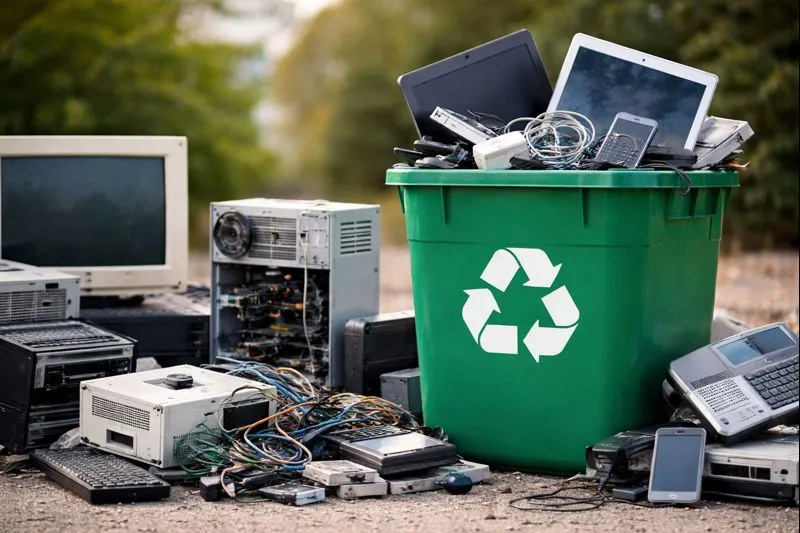
Computers, monitors, printers, servers, and networking devices all contain components that can harm the environment if disposed of improperly. Many devices include plastics, metals and hazardous materials that require specialist recycling methods.
When businesses fail to dispose of equipment properly, large quantities of reusable materials are lost, and harmful substances may enter landfill systems, causing long-term environmental damage.
Professional disposal services help reduce these risks by ensuring equipment is processed responsibly from collection through to recycling.
Recovering Valuable Materials Through Recycling
One of the main ways professional IT disposal reduces electronic waste is through material recovery. Many electronic devices contain valuable recyclable materials that can be reused within future manufacturing processes.
Components such as aluminium, copper, steel and certain plastics can often be extracted and processed into new products. This reduces the need for raw material extraction and lowers the environmental impact associated with manufacturing new equipment.
Professional recycling providers have the systems and expertise required to separate, recover and process these materials efficiently. Without specialist recycling, much of this material would otherwise be lost through landfill disposal.
By supporting material recovery, businesses contribute to more sustainable resource management practices.
Preventing Harmful Waste from Entering Landfill
Improper disposal of IT equipment can create significant environmental concerns. Electronic devices may contain hazardous substances, including lead, mercury and chemical compounds that can contaminate soil and water if not handled correctly.
Landfill disposal also increases long-term environmental pressure by contributing to the accumulation of unnecessary waste.
Professional IT equipment disposal services help prevent these materials from entering landfills unnecessarily. Specialist recycling facilities are designed to process electronic waste safely while minimising environmental harm.
This responsible approach helps businesses reduce their environmental footprint and align with growing sustainability expectations.
Supporting Circular Economy Practices
Modern sustainability strategies increasingly focus on circular economy principles, where materials are reused and recycled rather than discarded after a single lifecycle.
Professional IT disposal services support this model by ensuring electronic components are recovered, refurbished or recycled wherever possible. Some equipment may even be suitable for refurbishment or parts recovery, extending its usable life and reducing overall waste generation.
This approach benefits both the environment and the wider industry by improving resource efficiency and reducing dependence on newly manufactured materials.
Businesses that adopt responsible recycling practices demonstrate a stronger commitment to sustainable operations and long-term environmental responsibility.
Reducing Unnecessary Storage and Waste Accumulation
Many businesses store outdated IT equipment for long periods due to uncertainty around disposal procedures or concerns about data security. Over time, this can create unnecessary waste accumulation and inefficient use of workspace.
Professional disposal services simplify the process by securely collecting and recycling redundant devices in a structured and compliant manner.
Removing obsolete equipment responsibly helps businesses:
- Improve workspace organisation.
- Reduce clutter and storage pressures.
- Support smoother technology upgrades.
- Manage assets more efficiently.
- Prevent unmanaged electronic waste build-up.
By creating a more organised disposal process, businesses can maintain better control over their IT lifecycle management.
The Importance of Secure and Responsible Processing
Electronic waste management is not only an environmental issue but also a data security concern. Old computers and storage devices often contain confidential business information that must be handled carefully during disposal.
Professional recycling providers combine secure data destruction with environmentally responsible recycling procedures. This ensures equipment is processed safely while protecting sensitive information.
Businesses benefit from a disposal process that addresses both sustainability and cybersecurity responsibilities simultaneously.
Why Businesses Are Prioritising Sustainable IT Disposal
Sustainability expectations are continuing to grow across all sectors. Customers, investors and stakeholders increasingly expect businesses to demonstrate responsible environmental practices throughout their operations.
Responsible disposal of IT equipment forms an important part of wider ESG and sustainability strategies. Professional recycling services help organisations reduce waste, improve compliance and strengthen environmental reporting initiatives.
Businesses that adopt sustainable IT disposal practices are often viewed more positively by clients and stakeholders concerned with environmental responsibility.
Frequently Asked Questions (FAQs) about Disposal of IT Equipment
Why is electronic waste a growing problem for businesses?
As businesses replace technology more frequently, large volumes of outdated equipment are generated each year. Without proper recycling, this electronic waste can contribute to landfill pollution and resource waste.
How does professional IT disposal help reduce landfill waste?
Professional disposal services recycle and recover materials from old equipment, preventing unnecessary landfill disposal and reducing environmental impact.
Can old computers be recycled into new products?
Yes. Many components within computers and electronic devices can be recovered and reused in future manufacturing processes, supporting sustainable resource management.
Why should businesses use professional disposal providers?
Professional providers ensure equipment is recycled safely, securely and in compliance with environmental regulations while protecting sensitive business data.
Does IT recycling support sustainability goals?
Yes. Responsible recycling reduces waste, conserves valuable materials and supports circular economy practices, helping businesses improve environmental performance.
What happens to hazardous materials during recycling?
Specialist recycling facilities safely process hazardous materials found in electronic devices to minimise environmental risks and ensure responsible disposal.
Conclusion
As electronic waste continues to grow globally, businesses have an increasing responsibility to manage outdated technology responsibly. Professional disposal of IT equipment services helps reduce electronic waste by supporting recycling, material recovery and environmentally safe disposal processes.
By working with experienced recycling providers, organisations can reduce landfill waste, improve sustainability performance and ensure obsolete IT equipment is managed securely and responsibly. Responsible disposal is no longer simply a waste management task — it is an important part of modern environmental and operational strategy.