

Traditionally, design development followed rigid, linear processes. Project managers crafted extensive specifications, designers produced exhaustive mockups behind closed doors, and engineering teams received massive handoff packages months later. This traditional waterfall approach often led to severe misalignment. Teams frequently discovered structural flaws, technical impossibilities, or shifting user preferences only after investing hundreds of hours into polished designs.
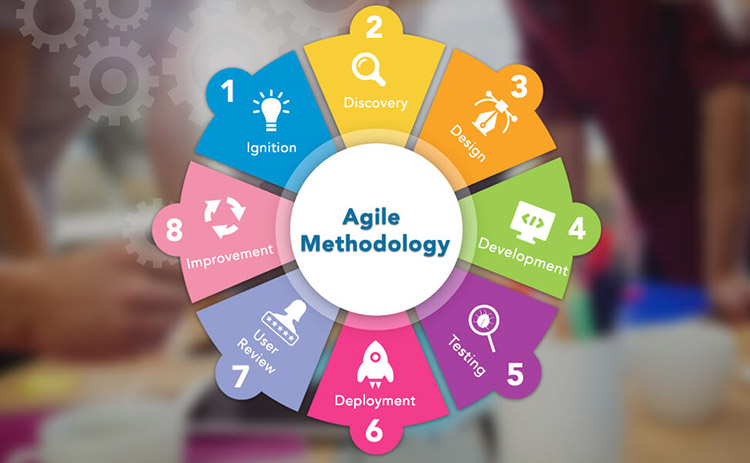
Adopting Agile methodologies transforms design development from a rigid pipeline into an adaptable, collaborative ecosystem. Originally created for software engineering, Agile principles emphasize continuous iteration, cross-functional collaboration, early user testing, and incremental value delivery. Integrating Agile framework into design workflows enables organizations to reduce time to market, eliminate waste, and create user-centered products that respond directly to real-world feedback.
Breaking Down Silos Through Cross-Functional Collaboration
One of the foundational shifts in an Agile design environment is the dismantling of functional silos. Rather than operating as an isolated unit that passes work over a metaphorical wall, designers embed directly within cross-functional teams alongside developers, product managers, and quality assurance engineers.
Continuous Technical Alignment
In traditional workflows, designers might spend weeks perfecting a complex interface feature only to learn during developer handoff that backend infrastructure cannot support it. Agile prevents these late-stage setbacks through ongoing technical alignment.
- Feasibility Checks: Developers evaluate low-fidelity concepts during early design sprints, flagging technical constraints before designers invest time in high-fidelity visual polish.
- Shared Ownership: When engineers participate in initial design discussions, they gain a deeper understanding of user experience intent, resulting in fewer implementation errors during build phases.
- Realistic Timelines: Team members estimate design effort and technical complexity together during backlog grooming sessions, creating reliable project velocity forecasts.
Multi-Disciplinary Feedback Loops
Agile frameworks replace formal, high-stakes quarterly design reviews with frequent, informal touchpoints.
- Daily Standups: Short morning syncs keep cross-functional team members aware of current design tasks, enabling immediate identification of daily blockers.
- Sprint Demos: Designers showcase work-in-progress layouts to internal stakeholders at the end of each sprint cycle, ensuring strategic alignment throughout the project lifecycle.
- Cross-Functional Critiques: regular design critiques involving non-designers offer valuable perspectives on business logic, technical feasibility, and customer support considerations.
Shifting from Massive Launches to Incremental Delivery
Agile methodologies encourage teams to break large design initiatives into small, manageable components. Instead of waiting months to launch a fully redesigned digital platform or physical product, teams deliver functional increments in short time-frames known as sprints.
Prioritizing Core User Value
Incremental delivery forces teams to identify essential features and prioritize user needs effectively.
- Minimum Viable Features: Designers focus on delivering the core user path first, ensuring primary tasks can be completed before spending resources on secondary features or complex micro-interactions.
- User Story Mapping: Product teams break down complex user journeys into individual user stories, allowing design tasks to be tackled in logical, bite-sized units during sprint planning.
- Reduced Scope Creep: Clear sprint goals prevent unvetted ideas from derailing ongoing work, keeping design efforts aligned with immediate strategic priorities.
Accelerated Time to Market
Releasing small design improvements incrementally provides a distinct competitive advantage over lengthy, traditional development cycles.
- Early Release Cycles: Functional product updates reach end users faster, generating revenue or capturing market share months ahead of a full rollout.
- Reduced Rework Costs: Spotting a flaw in a small component during an active sprint is far cheaper and faster to fix than reworking an entire integrated platform post-launch.
- Continuous Value Stream: Customers benefit from steady product enhancements rather than waiting years for a major version overhaul.
Emphasizing Rapid Prototyping and Continuous Testing
Agile design development prioritizes tangible validation over theoretical perfection. Rather than perfecting visual details in isolation, teams produce low-fidelity prototypes rapidly to gather early user data.
Low-Fidelity Iteration Over Perfection
Spending too much time on initial design concepts creates emotional attachment and makes teams resistant to necessary changes. Agile encourages early, disposable iterations.
- Paper Sketches and Wireframes: Mapping initial ideas with basic low-fidelity layouts allows teams to explore dozens of layout variations in hours rather than days.
- Clickable Wireframe Prototypes: Linking basic black-and-white screens together lets test participants navigate core task flows, highlighting navigation hurdles early.
- De-Risking Visual Design: Validating structural layout and information architecture first ensures that high-fidelity visual design is applied only to proven user flows.
Integrating User Research into Sprint Cycles
In an Agile environment, user research is not a one-time phase conducted at project kickoff. It functions as an ongoing activity embedded within regular design sprints.
- Sprint-Based Testing: Designers test current sprint prototypes with real users every two weeks, obtaining rapid feedback to inform the upcoming sprint planning session.
- Data-Driven Decision Making: Real-world usability metrics replace internal opinions, reducing subjective debates during design sign-offs.
- Rapid Hypothesis Validation: Teams frame design choices as testable hypotheses, allowing them to pivot quickly if user testing disproves an assumption.
Managing Design Debt and Maintaining Scalability
Just as engineering teams accumulate technical debt when rushing code out the door, design teams can accumulate design debt. Design debt consists of inconsistent UI elements, outdated documentation, and uncoordinated user patterns that accumulate when speed is prioritized over systematic structure.
Integrating Systemic Design Practices
To maintain quality while moving quickly, Agile design teams rely heavily on modular design systems.
- Shared Component Libraries: Designers build interfaces using pre-validated design tokens and modular UI components, accelerating mockup production without sacrificing visual consistency.
- Synchronized Assets: Maintaining synchronized design libraries ensures that changes made to core components automatically update across all active design files.
- Living Documentation: System documentation updates alongside sprint releases, keeping design specs aligned with production code bases.
Dedicating Sprints to Maintenance
Agile teams manage design debt proactively by allocating specific sprint capacity to refactoring and cleanup activities.
- Design Refactoring Sprints: Periodic maintenance sprints allow teams to consolidate redundant components, clean up design files, and update accessibility documentation.
- UI Audits: Regular reviews of live digital environments reveal inconsistencies between design files and front-end implementation, triggering backlog items for corrective sprints.
Frequently Asked Questions
How long should a typical design sprint last in an Agile workflow?
Most Agile design teams operate on two-week sprints. This timeframe provides sufficient opportunity to plan, iterate, build prototypes, and run usability tests without delaying overall development schedules. Some teams utilize one-week micro-sprints for rapid concept validation, while larger enterprise projects may extend sprint cycles to three weeks.
Can Agile work for physical product design as well as software design?
Yes, Agile principles apply effectively to physical product design, though sprint deliverables differ. Physical product teams utilize 3D printing, rapid foam modeling, and modular component testing during short sprint cycles to validate ergonomics and assembly logic long before committing to expensive production tooling.
How do designers prevent feeling rushed when working in fast-paced Agile sprints?
Designers manage sprint pressure by establishing clear definition-of-ready criteria, leveraging comprehensive design systems, and maintaining a well-organized design backlog. Additionally, running design work one sprint ahead of engineering development gives designers adequate space for exploration before code implementation begins.
What is the difference between Dual-Track Agile and standard Agile design?
Dual-Track Agile divides work into two parallel tracks: Discovery and Delivery. The Discovery track focuses on researching, prototyping, and validating concepts with users. The Delivery track focuses on refining those validated designs into developer-ready assets. This approach ensures designers explore future features without stalling active development.
How does Agile handle client sign-offs when designs are constantly evolving?
In Agile projects, client sign-offs transition from a single final approval step to progressive milestone approvals at the end of each sprint. Clients participate in regular sprint demos, reviewing functional prototypes incremental piece by incremental piece, which eliminates surprises and keeps project vision aligned throughout execution.
Is a full design system necessary before implementing Agile design methods?
A complete design system is not a strict prerequisite for adopting Agile, but having basic UI guidelines or a foundational component library greatly improves sprint velocity. Teams can build and mature their design system incrementally during active sprints rather than pausing all product development to create a massive design system upfront.
How do you measure the success of an Agile design process?
Agile design success is measured through improved team velocity, reduced design rework costs, shorter release cycles, higher usability test scores, and faster post-launch user adoption rates. Tracking these metrics demonstrates how incremental design iterations translate into higher product quality and improved business efficiency.