

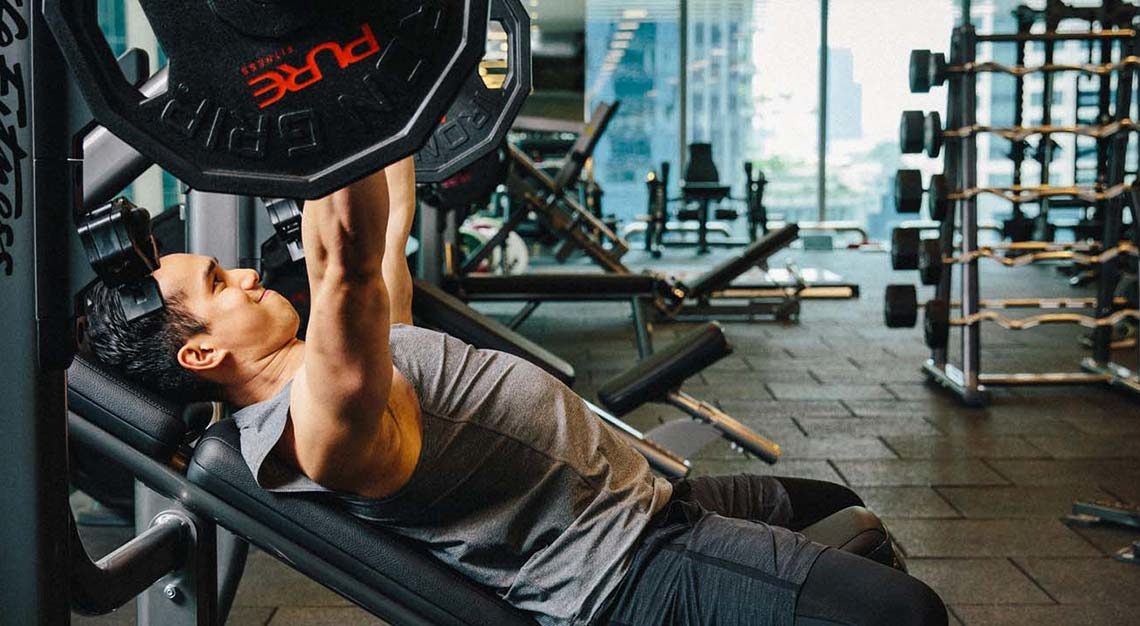
Fitness in Singapore has entered a new era where innovation meets precision. The modern gym Singapore scene is no longer defined solely by treadmills and weights but by technology that transforms how people train, recover, and monitor progress. Smart fitness equipment, AI-driven coaching, and data integration have changed the way individuals set and achieve goals, creating a culture of smarter, more efficient workouts.
How Technology Is Transforming the Singapore Fitness Scene
In Singapore, technology has become an essential part of everyday life, from smart homes to wearable health devices. It’s only natural that gyms have evolved in the same direction. Members now seek digital solutions that complement their routines, offering real-time performance insights, customised programs, and connected experiences.
This shift reflects a demand for measurable progress and accountability. Whether it’s a smart spin bike tracking power output or a wearable device analysing recovery, technology ensures every session delivers meaningful results.
Smart Gym Equipment and Their Impact on Training
Smart gym equipment has redefined how people work out. Machines today can automatically adjust resistance, track repetitions, and sync data with mobile apps. These systems are designed to help users train more effectively by providing feedback and performance metrics instantly.
Some common innovations found in advanced gyms include:
- AI-powered strength machines: Adjust resistance automatically based on real-time effort.
- Smart cardio equipment: Tracks heart rate, calories, and endurance zones for optimal performance.
- Connected functional stations: Sync workouts to mobile profiles for detailed progress tracking.
This integration of artificial intelligence ensures that members get the right level of challenge without overtraining or underperforming.
Data-Driven Workouts: Measuring What Matters
Data plays a major role in how people approach fitness today. Many Singapore gyms now focus on data-driven programming, where performance metrics guide every session. Instead of guessing whether a workout was effective, members can view metrics like heart rate zones, muscle recovery, and oxygen efficiency.
This approach helps users make informed decisions. For instance:
- If recovery data shows fatigue, they can switch to a lighter workout or stretching.
- If strength numbers plateau, trainers can adjust the plan to stimulate new growth.
- Members can set realistic milestones by comparing weekly or monthly statistics.
These insights empower individuals to train smarter rather than longer.
Personal Training Meets Artificial Intelligence
Artificial intelligence is revolutionising the personal training landscape. AI systems analyse past performance, sleep, nutrition, and even stress levels to create adaptive workout recommendations. For busy professionals in Singapore, this level of personalisation means no wasted time and faster progress.
AI also complements human trainers rather than replacing them. Trainers can use AI data to monitor member progress more precisely, modify routines, and predict plateaus. The combination of expert guidance and intelligent algorithms ensures a safer, more effective fitness experience.
The Rise of Virtual and Hybrid Training Models
Singapore’s digitally connected population has embraced hybrid training models. Many gyms now offer both in-person and online sessions, allowing members to stay consistent even when travelling or working remotely.
Some fitness apps connect directly to the gym’s system, enabling users to follow their customised routines at home. This flexibility appeals particularly to those balancing long work hours and family commitments. The hybrid approach blends physical presence with digital convenience, making fitness more accessible than ever.
How Wearable Technology Enhances Gym Performance
Wearable devices are now as essential as water bottles in gyms. They monitor key health indicators such as heart rate, sleep cycles, oxygen levels, and calorie burn. These devices help members identify patterns and make adjustments to improve results.
In Singapore, professionals often use wearables to manage both fitness and stress levels. For instance, data can show when recovery is insufficient, prompting users to rest rather than overtrain. Over time, such insights contribute to sustainable fitness habits rather than short-term gains.
Integrating Nutrition and Recovery Tracking
The role of technology extends beyond workouts. Nutrition and recovery tracking apps help users align their gym performance with diet and rest. Food logging applications now sync with wearables to calculate precise calorie needs, ensuring balanced energy levels throughout the day.
Additionally, smart recovery tools such as vibration rollers and massage guns are becoming standard equipment in many gyms. They reduce soreness, improve circulation, and help members return to training faster. Together, these innovations create a holistic fitness ecosystem that goes beyond exercise alone.
Enhancing Member Engagement Through Digital Platforms
Modern gyms in Singapore use technology not only to improve workouts but also to build stronger communities. Mobile apps and digital dashboards allow members to:
- Join fitness challenges.
- Track leaderboards and performance achievements.
- Book classes and access exclusive content.
- Receive personalised reminders and motivational messages.
This level of engagement keeps members connected and motivated. It also promotes accountability, as users can see their progress compared with peers or friends.
The Role of Smart Facilities and Environment Control
Gym technology also extends to environmental systems. Temperature regulation, air quality monitoring, and lighting control improve both comfort and performance. In Singapore’s humid climate, these systems play an important role in maintaining ideal conditions for endurance and recovery.
Advanced gyms use automated sensors to maintain fresh airflow and adjust lighting based on time of day. Such details might seem small but have a measurable effect on focus, hydration, and stamina.
Why True Fitness Singapore Represents the Future of Smart Training
True Fitness Singapore reflects the modern evolution of fitness with its commitment to innovation and member-centric design. By integrating smart systems, experienced trainers, and structured workout programs, it aligns technology with personal well-being. Members enjoy access to advanced facilities and digital tools that make every workout efficient, data-driven, and goal-oriented.
Long-Term Benefits of Technology-Integrated Fitness
The benefits of using smart gym technology extend beyond short-term performance gains. Members experience improved discipline, better health awareness, and measurable progress. Over time, these innovations build sustainable habits and reduce the risk of injury or burnout.
Singapore’s fitness landscape is rapidly moving towards full digital integration, where every lift, sprint, or stretch contributes to a well-documented journey of personal growth.
FAQs
Q1: Are smart gyms more effective than traditional ones?
A: Smart gyms provide measurable data that helps members make informed decisions. They are especially effective for professionals who want precise progress tracking and efficient results.
Q2: How does AI coaching work in gyms?
A: AI systems analyse workout data, recovery levels, and training patterns to offer personalised suggestions, helping members optimise routines based on performance trends.
Q3: Do smart gym machines replace personal trainers?
A: No. They complement trainers by offering accurate data and real-time feedback, allowing trainers to tailor guidance and avoid injury risks.
Q4: Can wearable technology really improve gym results?
A: Yes, wearables provide continuous insights into heart rate, calorie burn, and recovery. This data helps users adjust workouts for better outcomes.
Q5: How do hybrid fitness models benefit Singapore professionals?
A: Hybrid options let members train at home or the gym without losing consistency. They save time and allow flexibility around work schedules.
Q6: What should I look for in a tech-enabled gym?
A: Seek facilities with AI-integrated machines, mobile app connectivity, and trained staff who can interpret digital data for better performance management.
Q7: Is data privacy a concern when using gym apps or wearables?
A: Most reputable gyms and apps use secure systems to protect member information. Always check privacy policies and limit unnecessary data sharing.