

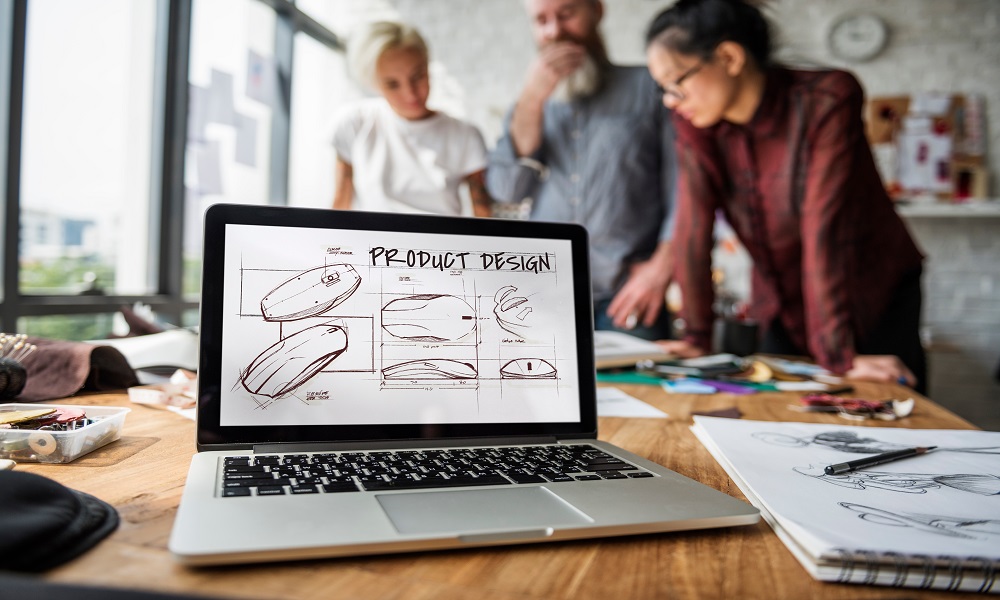
Introduction: The Silent Power of Design Development
In the realm of architecture, product innovation, and branding alike, “design development” is a phrase that quietly holds immense power. It represents that critical stage between a flicker of an idea and a tangible, functional reality. Yet, despite its transformative significance, design development often remains overshadowed by the glamour of initial concepts and the final spectacle of execution. This article aims to bring to light the true art and science behind this pivotal phase, exploring why design development is the heartbeat of any successful project.
Understanding Design Development
At its core, design development is the detailed refinement of an initial concept. It bridges the gap between the broad strokes of schematic design and the meticulous demands of construction documents or production plans. If the schematic design asks “What should it be?” then design development answers “How will it actually work?”
In architectural practice, this stage involves coordinating structural, mechanical, and electrical systems while simultaneously refining materials, finishes, and specifications. For product designers, it is the stage where a prototype evolves — dimensions are tweaked, ergonomics tested, user interactions refined, and manufacturability assessed. In branding or digital design, it is the process where mood boards evolve into fully-fledged visual identities or intuitive interfaces.
Why Design Development Matters
Too often, design development is mistaken for mere technical detailing. In truth, it is a deeply creative phase that demands rigorous problem-solving, collaboration, and foresight. Its importance can be summed up in three key roles:
-
Bridging Vision and Reality: It translates the dream into a feasible blueprint.
-
Ensuring Integrity: It ensures the final result remains faithful to the concept’s original intent.
-
Reducing Risk: By ironing out conflicts and unknowns, it minimizes costly surprises later on.
Without thoughtful design development, even the most dazzling idea risks becoming an impractical or incoherent final product.
Key Stages within Design Development
While the specific steps vary across industries, the essence of design development usually involves the following:
-
Refinement of Concept: This is where designers revisit the core idea and test it against practical constraints such as budget, site conditions, user needs, or manufacturing capabilities.
-
Coordination: Multiple disciplines or team members align their contributions. In architecture, this might mean structural engineers, interior designers, and sustainability consultants working in sync.
-
Material and Finish Selection: Design development specifies the textures, colors, and finishes that will define the project’s final character.
-
Prototyping and Testing: Whether a building system mock-up or a beta version of an app, testing is vital to spot issues early.
-
Client Review and Approval: Stakeholders are engaged with detailed drawings, models, or prototypes for input and sign-off before the final production phase.
The Collaborative Nature of Design Development
One of the defining features of design development is its inherently collaborative nature. It is rarely the work of a lone genius hunched over a drafting table. Instead, it is a collective endeavor that demands the input of various specialists.
A thoughtfully run design development phase ensures that:
-
Communication flows freely between designers, engineers, contractors, and clients.
-
Conflicting requirements — for example, aesthetics versus structural demands — are reconciled with creativity and care.
-
Stakeholders feel ownership of the evolving design, which helps smooth the road ahead when it’s time to build or produce.
Balancing Artistry and Practicality
Perhaps the greatest challenge in design development is balancing the creative vision with technical feasibility. An architect may envision a sweeping glass façade, but design development will confront the realities of wind loads, energy performance, and cost. A product designer may dream up an elegant gadget, only to find certain materials are too brittle or expensive at scale.
The best designers embrace these constraints not as roadblocks, but as catalysts for more inventive solutions. Design development is, in this sense, a crucible where bold ideas are tested, refined, and often improved by the practical considerations they encounter.
Modern Trends Shaping Design Development
In recent years, technology has transformed how designers approach development:
-
Building Information Modeling (BIM): In architecture, BIM enables all stakeholders to work on a unified digital model, catching clashes before they become real-world headaches.
-
Rapid Prototyping: 3D printing and other rapid fabrication techniques have compressed the time needed to iterate physical models.
-
Sustainability and Performance Modeling: Sophisticated software can now simulate energy performance, daylighting, or material lifecycles at the design development stage.
-
User-Centric Testing: Digital products increasingly rely on real-time user feedback and A/B testing during design development, ensuring that interfaces evolve in sync with user needs.
Common Pitfalls and How to Avoid Them
Despite its importance, design development can fall prey to common mistakes:
-
Rushing the Process: Underestimating the time needed can lead to costly errors down the line.
-
Poor Communication: Gaps between disciplines can result in conflicts during construction or production.
-
Failure to Prototype: Skipping mock-ups or user testing can lead to flaws that only become apparent when it’s too late to fix them cheaply.
Experienced teams know that careful scheduling, clear documentation, and regular reviews are indispensable safeguards.
Conclusion: Cultivating Respect for the Hidden Stage
Design development might not command the limelight in a presentation deck or launch event, but it is the crucible in which ideas are truly forged. It demands patience, adaptability, and a relentless commitment to both creative intent and practical execution.
In celebrating this underappreciated phase, we acknowledge that good design is not just about inspiration — it is about the discipline and craft that turn that spark into something real, enduring, and functional. Whether you’re an architect sketching a skyline, a product designer shaping the next breakthrough, or a brand strategist refining a logo, remember this: true design excellence lies not only in imagining what could be, but in meticulously developing what will be.